The digital landscape in 2026 isn't just moving fast, it's accelerating at a pace that separates the prepared from the overwhelmed. If you're running an online business or building a digital enterprise, resilience isn't just a buzzword anymore. It's your competitive advantage.
Here's what most entrepreneurs get wrong: they treat growth and resilience as separate goals. You chase revenue, THEN worry about stability. You scale fast, THEN think about systems. But the businesses thriving right now? They're building resilience INTO their growth strategy from day one.
Let's dive into what resilient entrepreneurship actually means in 2026, and more importantly, how YOU can implement these strategies starting today.
The New Definition of Business Resilience
Resilience used to mean "bouncing back after something breaks." Not anymore.
Modern resilience means building systems that can absorb disruption WITHOUT breaking in the first place. It's the difference between constantly putting out fires and having fireproof infrastructure.
Think about your current business setup. When a platform changes its algorithm, do you panic? When a key tool shuts down, does your workflow collapse? When market conditions shift, can you pivot without losing momentum?
These aren't hypothetical scenarios, they're regular occurrences in the digital space. And your ability to handle them determines whether you're building a sustainable business or just renting temporary success.

AI: Your Strategic Asset, Not Just Another Tool
Here's a reality check that might sting a little: if you're not strategically implementing AI in your business right now, you're already behind.
According to recent data, nearly half of all business applications are expected to include built-in AI agents by 2026. But here's what matters more, these aren't just fancy features. They're predictive systems that reduce downtime, prevent overspending, and improve forecasting accuracy.
For small business owners and solo entrepreneurs, this is HUGE. AI has fundamentally lowered the barriers to entry in ways we couldn't imagine five years ago. You don't need a massive team anymore. You don't need enterprise-level budgets.
What you DO need is AI literacy.
The competitive edge in 2026 comes from understanding how to deploy AI strategically, not just adopting every shiny new tool that promises to "revolutionize" your workflow. Half of U.S. small business professionals reported that AI capabilities directly inspired them to pursue entrepreneurship. Why? Because it automates the repetitive work that used to require hiring help, freeing up YOUR time for creative strategy and revenue-generating activities.
Practical AI Implementation for Resilient Businesses
Here's how resilient entrepreneurs are actually using AI right now:
- Customer service automation that maintains your brand voice while handling routine inquiries 24/7
- Content creation assistance that amplifies your output without sacrificing authenticity
- Data analysis tools that spot patterns and opportunities you'd miss manually
- Predictive analytics that help you anticipate market shifts before they happen
- Workflow automation that connects your tools and eliminates manual data entry
The question isn't WHETHER to use AI, it's HOW to integrate it strategically into your existing systems. And if you're feeling overwhelmed by the options, you're not alone. That's exactly why joining communities like The Internet Insiders Club becomes invaluable, you get access to proven strategies and peer support as you navigate these changes.
Cloud Optimization: Working Smarter, Not Bigger
Let me share something most digital entrepreneurs learned the hard way over the past few years: more cloud tools don't equal more productivity.
During the rapid digital transformation of 2020-2024, businesses rushed to cloud-based solutions. The result? Tool sprawl. Redundant platforms. Unused storage eating your budget. Integration nightmares.
The 2026 trend focuses on cloud SIMPLIFICATION. Fewer platforms. Tighter integration. Smarter cost control.
Think about your current tech stack. How many tools do you pay for monthly? How many do you actually use daily? How many could be consolidated without losing functionality?
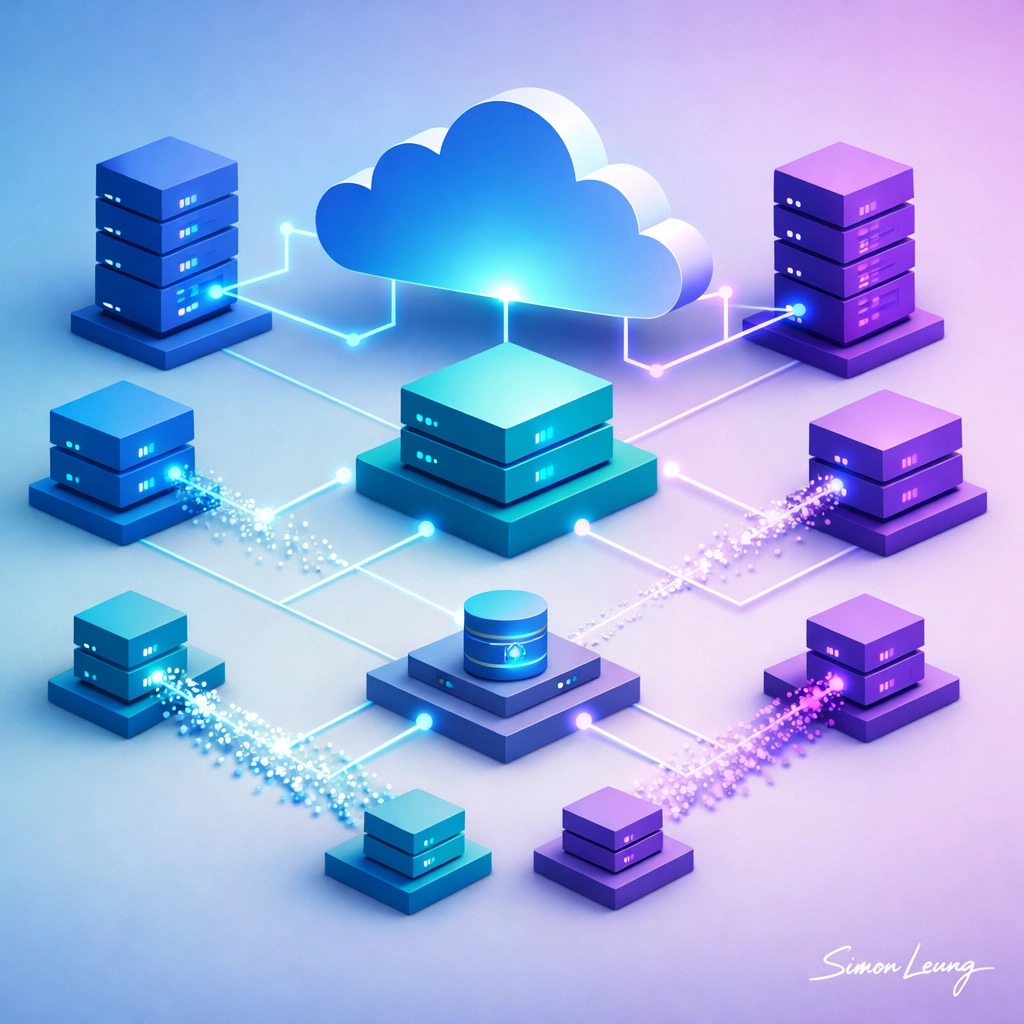
Optimized cloud ecosystems define digital resilience this year. According to Gartner's latest research, businesses that streamline their cloud infrastructure reduce both operational risk AND monthly expenses, sometimes by 30-40%.
Your Cloud Optimization Checklist
Here's what you should evaluate in your business RIGHT NOW:
- Audit your subscriptions – Cancel what you haven't touched in 60 days
- Look for consolidation opportunities – Can one robust platform replace three specialized tools?
- Review your data storage – Are you paying for redundant backups and unused files?
- Check your integrations – Are your tools actually talking to each other, or are you manually transferring data?
- Assess scalability – Will your current setup handle 2x growth without breaking?
The businesses winning in 2026 aren't using the MOST tools, they're using the RIGHT tools, integrated strategically. And that's a crucial distinction.
Data-Driven Decisions: Your Competitive Differentiator
Here's a hard truth: gut instinct alone won't cut it anymore in the digital space.
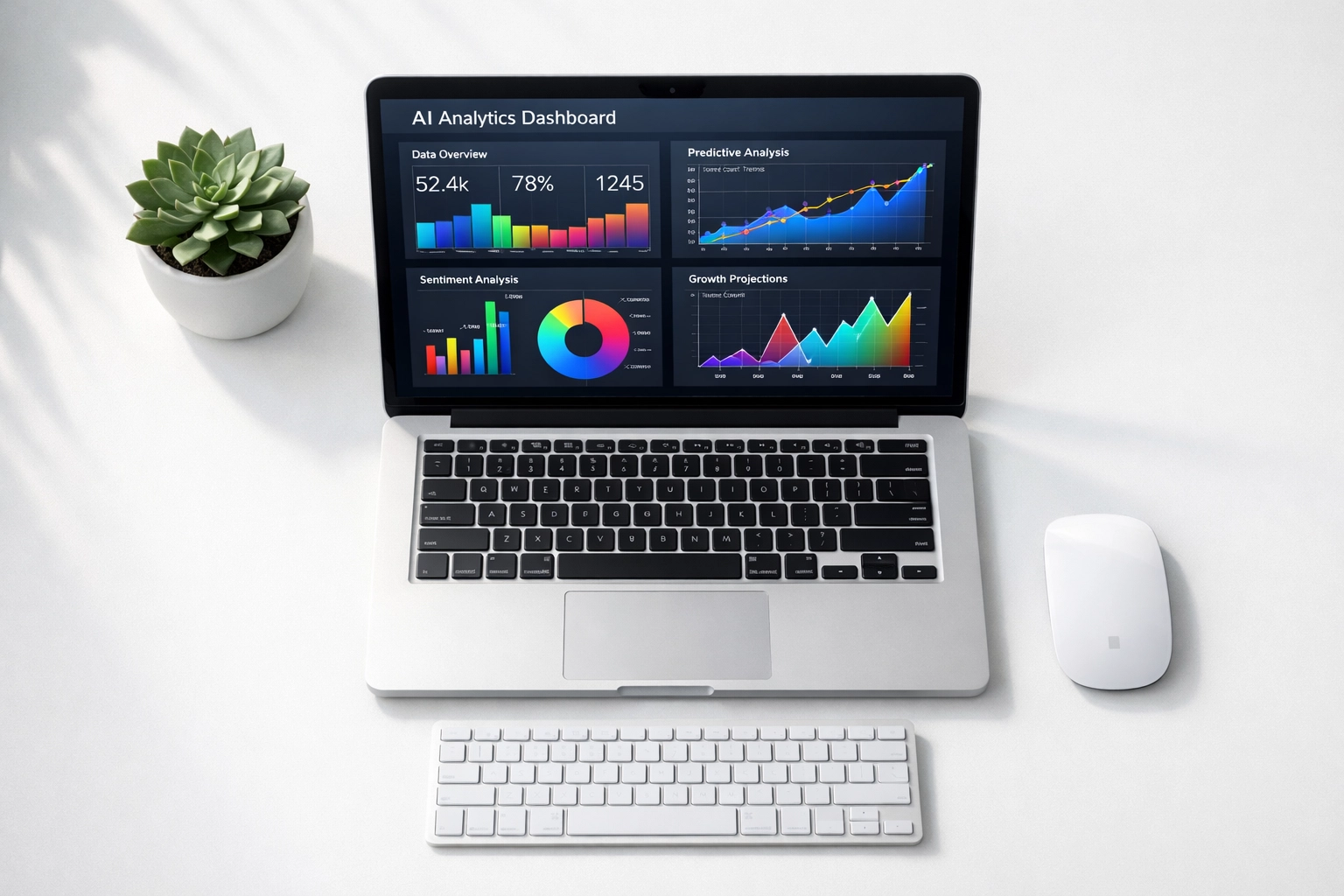
The entrepreneurs staying ahead of trends aren't just collecting data, they're building decision-making systems AROUND their data. Real-time visibility. Predictive analytics. Automated alerts when key metrics shift.
This doesn't mean you need to become a data scientist. It means you need to understand which metrics actually matter for YOUR business model, and how to use them strategically.
For most online businesses, resilient data systems include:
- Traffic and conversion tracking that goes beyond vanity metrics
- Customer behavior patterns that reveal opportunities before they're obvious
- Financial dashboards that give you real-time P&L visibility
- Performance benchmarks that show whether you're actually improving
- Predictive models that help you anticipate seasonality and market shifts
The good news? Most of this is easier to implement than you think. The platforms you're already using likely have these capabilities, you just need to set them up correctly and actually USE them.
Want to learn exactly which metrics matter most for your specific business model? The strategies we share at SimonLeung.com break this down step-by-step, without the complicated jargon.
Automation: From Convenience to Compliance
Process automation has evolved significantly. It's no longer just about saving time, it's about creating predictable, reliable, audit-ready workflows that reduce human error and enforce policy adherence.
This is particularly critical as regulations around data privacy, financial transparency, and consumer protection continue to tighten. Manual processes create vulnerability. Automated systems create consistency.
Think about your current workflows:
- Are you manually entering data between platforms? (That's a compliance risk)
- Do you rely on memory for important processes? (That's a scaling limitation)
- Could a new team member execute your workflows from documentation alone? (If not, you have a business continuity problem)
Resilient businesses automate their core processes and document everything. This creates measurable resilience through predictable outcomes and reliable data, especially valuable when you're scaling operations or bringing on new team members.
Business Continuity: Your Recovery Readiness Plan
Pop quiz: What happens to your business if your primary website goes down for 48 hours?
If you're scrambling for an answer, you need a business continuity plan. Not eventually, NOW.
Business continuity planning isn't optional anymore for resilient enterprises. This requires:
- Tested recovery strategies that you've actually practiced
- Verified backups that you KNOW work (not just assume)
- Role-specific protocols so your team knows exactly what to do
- Regular drills to validate your plans work in real conditions
The difference between businesses that survive disruptions and those that don't often comes down to preparation. And here's the thing, creating these plans isn't as complicated as you think. You just need to actually DO it.
Aligning Technology With Strategy
Here's where many entrepreneurs waste significant money: adopting technology without strategic alignment.
You see a cool new tool. Your competitor mentions it. A guru recommends it. So you sign up.
But does it actually serve your STRATEGIC OBJECTIVES? Does it integrate with your existing systems? Will it scale with your projected growth?
The competitive advantage in 2026 comes from intentional technology choices that support specific business goals. Emerging technologies like artificial intelligence, Internet of Things, and blockchain can unlock new efficiencies and create scalable business models, but ONLY when deployed strategically.
Before investing in new technology, ask yourself:
- Does this solve a current bottleneck in my business?
- Will this system scale as I grow?
- How does this integrate with my existing tools?
- What's the learning curve, and do I have time for it?
- What security and compliance requirements does this create?
If you can't answer these questions confidently, you're not ready to invest yet. And that's okay, being strategic means saying NO to most opportunities so you can say YES to the right ones.
Your Action Plan: Building Resilience Starting Today
Let's make this practical. Here are the IMMEDIATE steps you can take to build entrepreneurial resilience:
Week 1: Audit Your Current Systems
- List all your tools and subscriptions
- Document your core workflows
- Identify manual processes that should be automated
- Review your backup and recovery procedures
Week 2: Implement One Strategic Change
- Choose the highest-impact improvement from your audit
- Implement it fully before moving to the next
- Document the new process
- Train anyone who needs to know about it
Week 3: Build Your Data Dashboard
- Identify your 5-7 most critical business metrics
- Set up tracking and visualization
- Create alert thresholds for when things need attention
- Schedule weekly reviews of your dashboard
Week 4: Create Your Continuity Plan
- Document what happens if each critical system fails
- Create backup procedures for each scenario
- Test one recovery procedure
- Schedule quarterly reviews and updates
The most resilient entrepreneurs in 2026 aren't trying to predict every possible future. They're building systems flexible enough to handle uncertainty while maintaining operational stability.

The Community Advantage
One final insight that can't be overlooked: professional communities, peer networks, and focused ecosystems are emerging as powerful platforms for innovation and resilience.
You don't have to figure this out alone. The entrepreneurs who stay ahead of trends consistently are those who invest in learning communities where strategies are shared, tested, and refined in real-time.
This is exactly why The Internet Insiders Club exists: to give you access to proven strategies, peer accountability, and ongoing support as the digital landscape evolves. Because while technology changes rapidly, the fundamental principles of resilient business building remain consistent.
Moving Forward With Confidence
Resilient entrepreneurship in 2026 centers on intentional growth combined with adaptability. It's about leveraging AI as a strategic asset. Building systems that can absorb disruption. Making data-informed decisions. And committing to growth that's both ambitious AND sustainable.
The foundation you build today determines your competitive position tomorrow. The systems you implement now create the capacity for future growth. The resilience you develop gives you staying power when others falter.
Your digital business can thrive in uncertainty: but only if you build it to.
Start with one area from this article. Implement it fully. Document what you learn. Then move to the next. That's how resilient businesses are built: one strategic decision at a time.
And if you're ready to accelerate your progress with proven frameworks and community support, explore the resources available at SimonLeung.com. Your future self will thank you for the investment you make today in building true business resilience.