If you're STILL chasing traditional SEO metrics like keyword density and backlink counts in 2026, you're already behind. The search landscape has transformed completely: and your ranking strategy needs to evolve with it.
The truth is, Google and other search engines now prioritize visibility, intent, and AI-readiness over outdated tactics. Your content needs to work across AI Overviews, zero-click results, voice search, and traditional SERPs simultaneously. That's the reality of modern SEO.
But here's the GOOD NEWS: When you master these advanced tactics, you'll outrank competitors who are still stuck in 2019. Let me show you exactly how.
The Strategic Shift: Visibility Over Traffic Volume
Here's what most marketers get wrong: they're obsessed with traffic numbers while their competitors are dominating search visibility.
Visibility means showing up where your audience actually looks: AI-generated summaries, featured snippets, knowledge panels, and voice search results. These placements deliver massive brand awareness even when users don't click through to your site.
Think about your own search behavior. How many times do you find your answer in the AI Overview or featured snippet without ever clicking a link? EXACTLY. That's where your content needs to be.
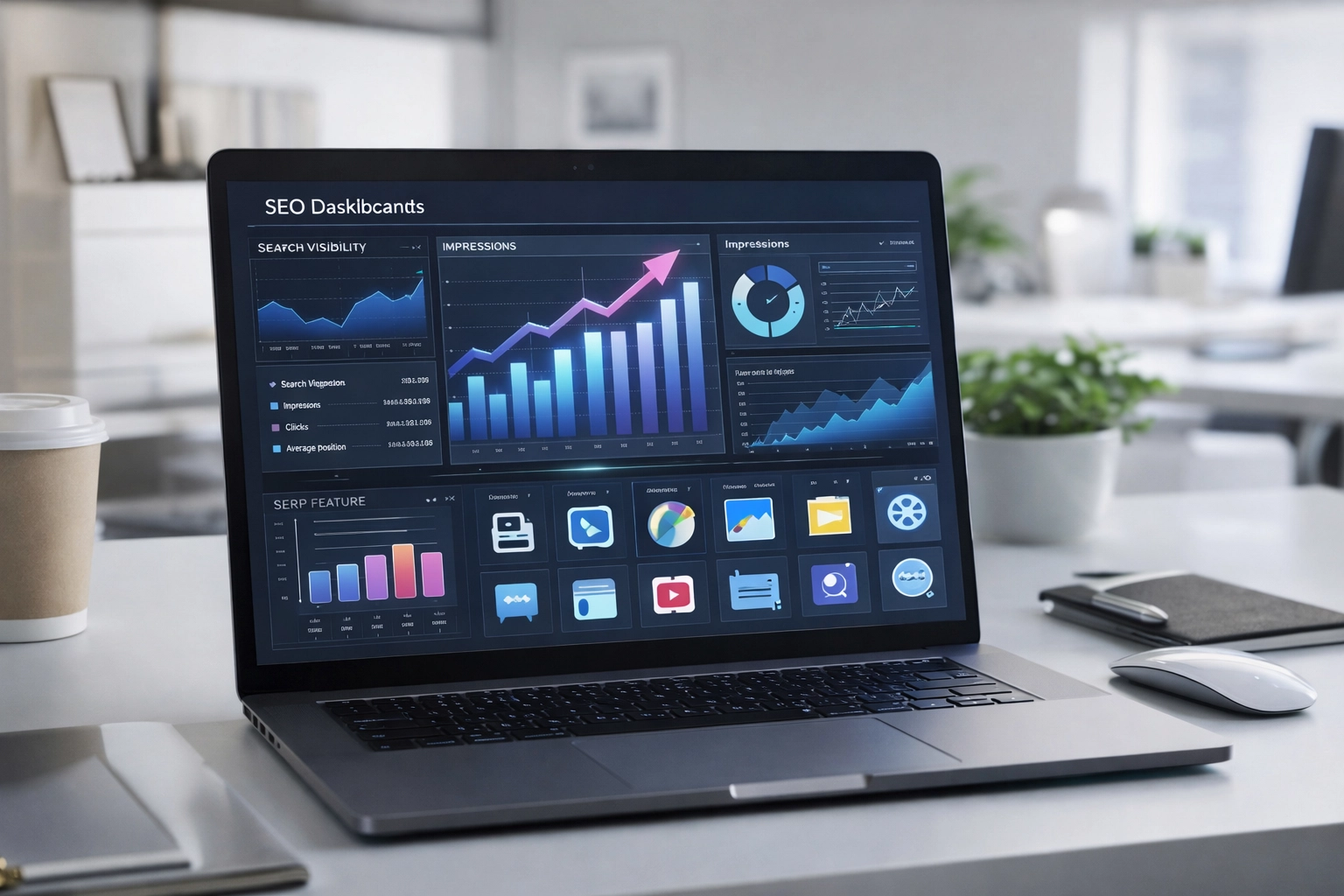
This shift requires measuring success differently. Instead of obsessing over click-through rates alone, track:
- Impressions by position (how prominently you appear visually)
- Featured snippet captures (zero-click dominance)
- AI Overview inclusions (brand mentions in AI-generated answers)
- Entity recognition (how search engines understand your brand authority)
Start thinking of SEO as omnipresence strategy: your brand should appear at every stage of the search journey, from initial research to final decision-making. When you master visibility, traffic becomes a natural byproduct.
Build Unshakeable Technical Foundations
Let me be direct: If your technical SEO is broken, nothing else matters. AI-powered search systems are ruthless: they simply skip poorly optimized sites entirely.
Your technical foundation must be rock-solid:
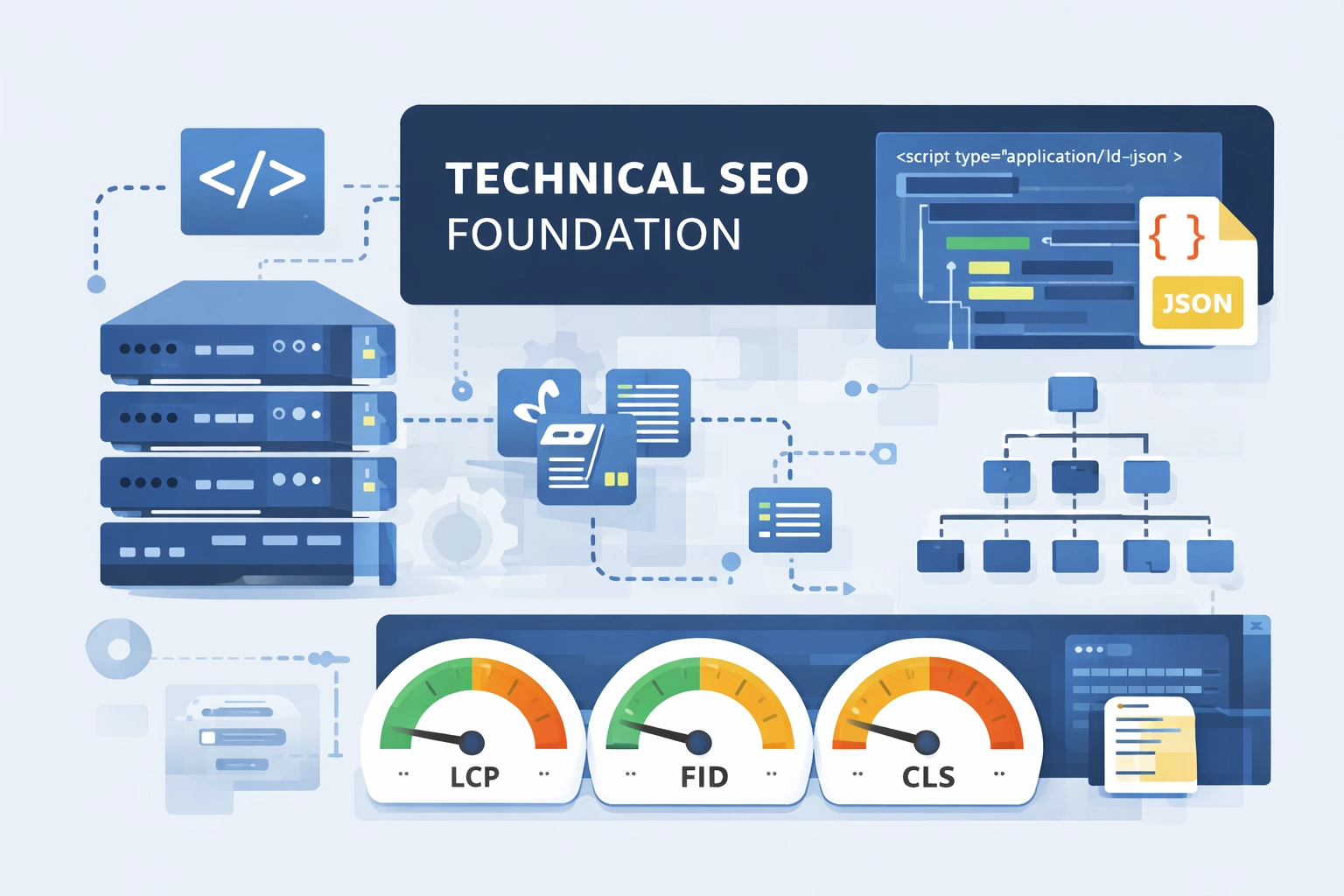
Page Speed & Core Web Vitals – Your site needs to load FAST on mobile devices. Google's algorithms prioritize sites that deliver exceptional user experiences. Use PageSpeed Insights to identify bottlenecks, compress images, enable browser caching, and minimize JavaScript bloat.
Crawlability & Site Architecture – Search engines must navigate your site effortlessly. Create a logical structure with clear XML sitemaps, fix broken links immediately, and implement proper robots.txt directives. Every page should be accessible within three clicks from your homepage.
Mobile Responsiveness – Over 60% of searches happen on mobile devices. Your site must look perfect and function flawlessly on every screen size. Test rigorously across devices.
Structured Data Implementation – Add Schema markup to help search engines understand your content context. Mark up articles, FAQs, products, reviews, and business information. This unlocks rich results and enhances AI comprehension.
Here's the reality: Technical SEO isn't sexy, but it's absolutely essential. Would you build a house on a cracked foundation? Of course not. The same principle applies here.
Create Intent-Rich Content Architecture
The days of thin, keyword-stuffed content are OVER. Modern SEO demands comprehensive, intent-driven content that answers real questions and solves actual problems.
This means creating topic clusters: interconnected content hubs that cover every aspect of a subject thoroughly. Here's how:
Start with pillar content: Create authoritative, 2,000+ word cornerstone articles that comprehensively cover broad topics in your niche. These become your foundation.
Build supporting cluster content: Develop 10-15 related articles that dive deeper into specific subtopics, all linking back to your pillar page. This creates semantic relationships that search engines LOVE.
Map to user intent: Every piece should target a specific search intent: informational, navigational, commercial, or transactional. Understand WHERE your audience is in their journey and create content that meets them there.
Optimize for conversational queries: Voice search and AI-generated answers favor natural language. Write FAQ-style content, use question formats in your headers, and answer queries directly and concisely.
For example, if your pillar content covers "Digital Marketing Strategies," your cluster content might include "Email Marketing Best Practices," "Social Media Advertising ROI," and "Content Marketing Funnel Optimization": all interconnected and linking strategically.
This approach doesn't just improve rankings: it establishes topical authority that search engines reward heavily. You become the go-to resource in your niche.
Want to learn MORE advanced content strategies that drive real results? Join The Insiders Club at TheInternetInsidersClub.com where I share cutting-edge tactics weekly with serious entrepreneurs ready to dominate their markets.
Master EEAT: Your Authority Advantage
Google's EEAT framework: Experience, Expertise, Authoritativeness, and Trustworthiness: is the new ranking currency. Here's how to win:
Demonstrate real experience: Share specific case studies, personal insights, and firsthand knowledge. Generic advice doesn't cut it anymore. Your audience craves AUTHENTIC expertise from someone who's actually done it.
Showcase your credentials: Display author bios prominently, link to professional profiles, highlight relevant qualifications, and feature awards or recognition. Make it crystal clear WHY you're qualified to speak on your topic.
Build authoritative backlinks: Earn links from respected industry publications, educational institutions, and established brands. Quality beats quantity EVERY TIME. One link from a major authority site outweighs 100 links from low-quality directories.
Establish trust signals: Include detailed contact information, display security certificates, publish transparent policies, and showcase genuine customer testimonials. Trust is non-negotiable.
Here's something most marketers miss: EEAT isn't just about individual pages: it's about your entire domain. Build authority site-wide through consistent quality, expert authorship, and genuine value delivery.

If you're serious about establishing yourself as an industry authority, check out the resources available at SimonLeung.com including my 8-in-1 Bonus Bundle that shows you EXACTLY how to position yourself as the expert in your niche.
Optimize for AI-Powered Search
The search landscape is fundamentally different now. AI systems retrieve, summarize, and repackage content across multiple surfaces. Your content must be AI-ready.
Structure for AI retrieval: Use clear hierarchies with descriptive headers, implement structured data markup, format content in scannable sections, and provide direct answers to common questions.
Create citation-worthy content: AI systems cite authoritative sources when generating answers. Make your content so valuable, accurate, and well-researched that AI models WANT to reference it.
Optimize for zero-click results: Accept that many searches won't drive clicks. Instead, focus on brand visibility and recognition. When users see your brand name repeatedly in AI-generated answers, you build unconscious authority.
Update content consistently: AI models favor fresh, current information. Regularly update your high-performing pages with new data, insights, and examples. Add publication dates prominently to signal freshness.
The businesses winning in 2026 understand this: Your content needs to perform across traditional search results AND AI-powered interfaces simultaneously. Optimize for both.
Measure What Actually Matters
Stop obsessing over vanity metrics. Here's what you should track:
- Search visibility share across all SERP features
- Branded search volume growth over time
- Featured snippet captures by topic cluster
- AI Overview inclusions and brand mentions
- Entity recognition in knowledge graphs
- Engagement metrics like dwell time and pages per session
These metrics tell the REAL story of your SEO success: they measure authority, visibility, and brand dominance rather than just traffic volume.
Use tools like Google Search Console to analyze impression data, track position changes across query types, and identify content opportunities. Your data should drive strategic decisions, not just satisfy curiosity.

Your SEO Success Blueprint
Here's the bottom line: Advanced SEO in 2026 requires a complete mindset shift. You're not just optimizing for search engines: you're building omnipresent brand visibility across every surface where your audience searches.
Focus on these core pillars:
? Prioritize visibility over raw traffic numbers
? Master technical foundations that AI systems demand
? Create comprehensive topic clusters that establish authority
? Demonstrate EEAT through genuine expertise and trust signals
? Optimize for AI retrieval and zero-click dominance
? Measure success with visibility-focused metrics
The strategies I've shared here work: but only when you implement them consistently and strategically. SEO isn't a one-time project; it's an ongoing process of optimization, testing, and refinement.
Ready to take your SEO to the next level? Learn more advanced tactics at SimonLeung.com where I provide in-depth training, step-by-step implementation guides, and real-world case studies from businesses achieving exceptional search visibility.
The competition is fierce, but with these advanced tactics in your arsenal, you'll DOMINATE your niche and build the search presence your business deserves. The question isn't whether these strategies work: it's whether you're ready to implement them.
Let's get to work.