Let's get real for a second: influencer marketing isn't just for Nike and Coca-Cola anymore.
If you're running a small business and you think you need a six-figure budget to work with influencers, you're leaving serious money on the table. The game has changed, and RIGHT NOW, micro-influencers with 1,000 to 100,000 followers are outperforming celebrity endorsements when it comes to engagement, trust, and actual conversions.
Here's the thing: your ideal customers are already following creators who align with your brand values. They trust these people. They engage with their content. And when these influencers recommend something, their audience actually buys.
In this guide, you're going to learn exactly how to find, vet, and partner with the RIGHT influencers for your small business: without spending a fortune. Plus, I'm giving you copy-and-paste AI prompts that'll handle the heavy lifting of outreach, contract drafting, and campaign planning.
Let's dive in.
Why Micro-Influencers Are Your Secret Weapon
Forget what you think you know about influencer marketing. You don't need Kim Kardashian or Mr. Beast to move the needle for your business.
Micro-influencers deliver THREE massive advantages that big-name influencers simply can't match:
1. Hyper-Relevant Audiences
Micro-influencers have built communities around specific niches. If you sell organic skincare, partnering with a creator who focuses on clean beauty means you're reaching an audience that's ALREADY passionate about what you offer. No waste. No fluff. Just highly qualified potential customers.
2. Sky-High Engagement Rates
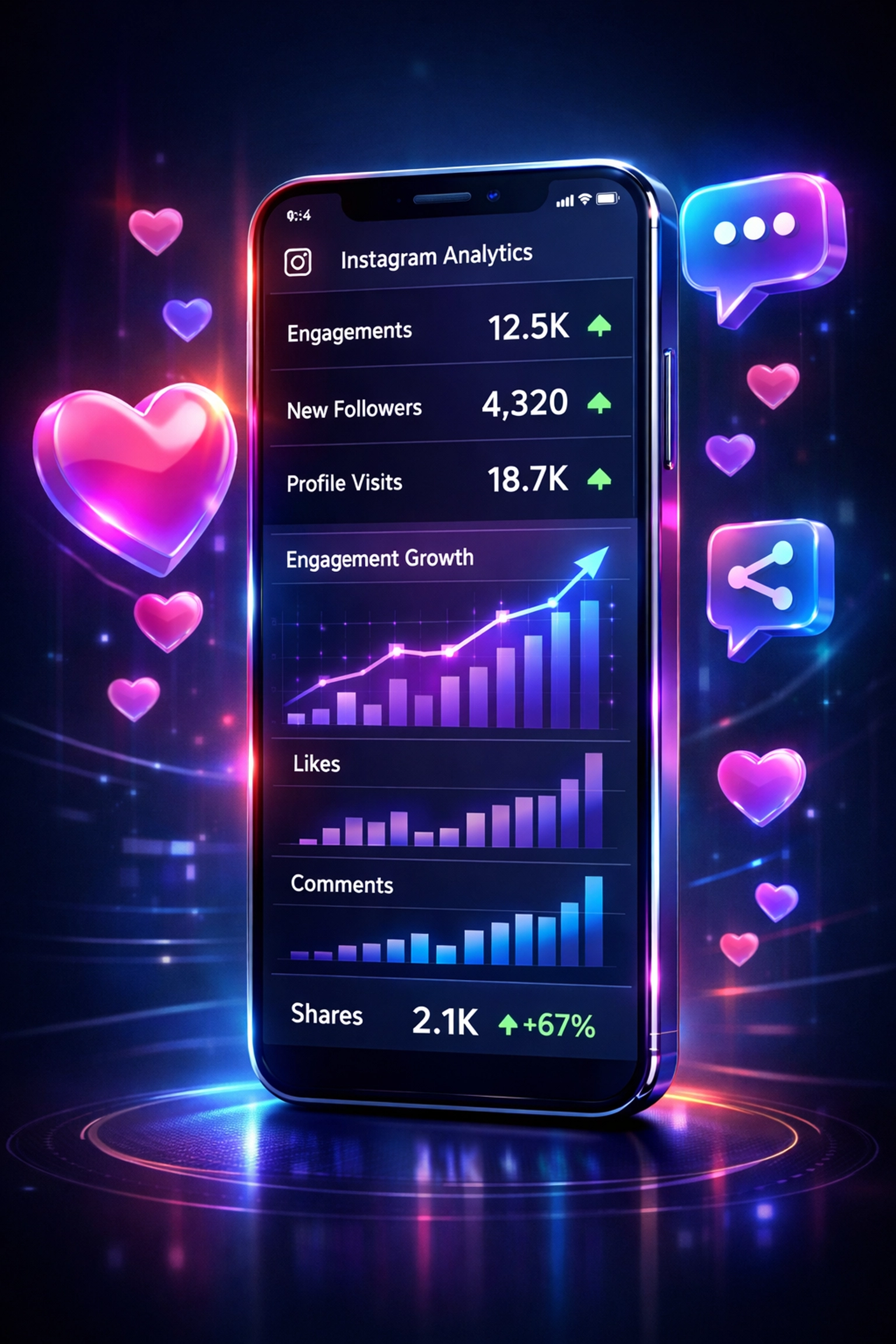
A creator with 10,000 engaged followers will outperform a celebrity with 1 million passive followers every single time. Why? Because micro-influencers respond to comments, build relationships, and create authentic content that their audience actually interacts with. According to industry data, micro-influencers consistently see engagement rates 3-5x higher than macro-influencers.
3. Authentic, Trustworthy Content
When a micro-influencer recommends your product, it doesn't feel like an ad: it feels like a friend giving genuine advice. That authenticity creates a "halo effect" that transfers credibility directly to your brand.
And here's the kicker: most micro-influencers are affordable. Many will work with you for product gifting, affiliate commissions, or a few hundred dollars per post. This is how small businesses level the playing field.
Want to learn more advanced marketing strategies that actually work for small businesses? Head over to TheInternetInsidersClub.com and grab your FREE Insiders Club session: we'll show you how to stack multiple growth strategies together for exponential results.
How to Find the Right Influencer Partners (Step-by-Step)
Finding influencers isn't about throwing spaghetti at the wall and hoping something sticks. You need a system. Here's exactly how to do it:
Step 1: Define Your Ideal Partner Profile
Before you start reaching out to anyone, get crystal clear on who you're looking for. Ask yourself:
- What niche does my ideal influencer operate in?
- What values should they represent (sustainability, innovation, community, etc.)?
- What platform do they use most (Instagram, TikTok, YouTube)?
- What's their engagement rate (aim for 3% or higher)?
Pro tip: If you sell natural foods, don't just partner with "health influencers." Go deeper: find creators who specifically advocate for clean eating, farm-to-table living, or plant-based lifestyles.
Step 2: Use Multiple Discovery Methods
Here's how to build your influencer list:
Manual Search:
Go to Instagram, TikTok, or YouTube and search hashtags related to your niche (#cleaneating, #smallbusinesstips, #sustainablefashion). Look at who's consistently posting high-quality content and getting strong engagement.
Influencer Marketplaces:
Platforms like Influencer Hero, AspireIQ, Upfluence, and Influencity let you filter creators by niche, follower count, engagement rate, and budget. These tools save HOURS of manual research.
Analytics Tools:
Use HypeAuditor or Social Blade to verify an influencer's audience quality. Watch out for fake followers: if someone has 50K followers but only gets 100 likes per post, that's a red flag.

Step 3: Vet for Authenticity and Alignment
Don't just look at follower counts. Dig into their content:
- Do their values align with your brand?
- Are their followers genuinely engaged (check the comments: are they real or just emojis)?
- Have they promoted similar products before? How did those campaigns perform?
Start local and small. Your first campaign should involve 1-2 local micro-influencers who already love what you do. This creates authentic content and gives you proof of concept before scaling.
If you want a done-for-you system for building partnerships and scaling your online business, check out the 8-in-1 Bonus Bundle at SimonLeung.com: you'll get templates, scripts, and proven strategies for every stage of business growth.
Budget-Friendly Collaboration Models That Actually Work
You don't need a massive budget to work with influencers. Here are three collaboration models that small businesses use every single day:
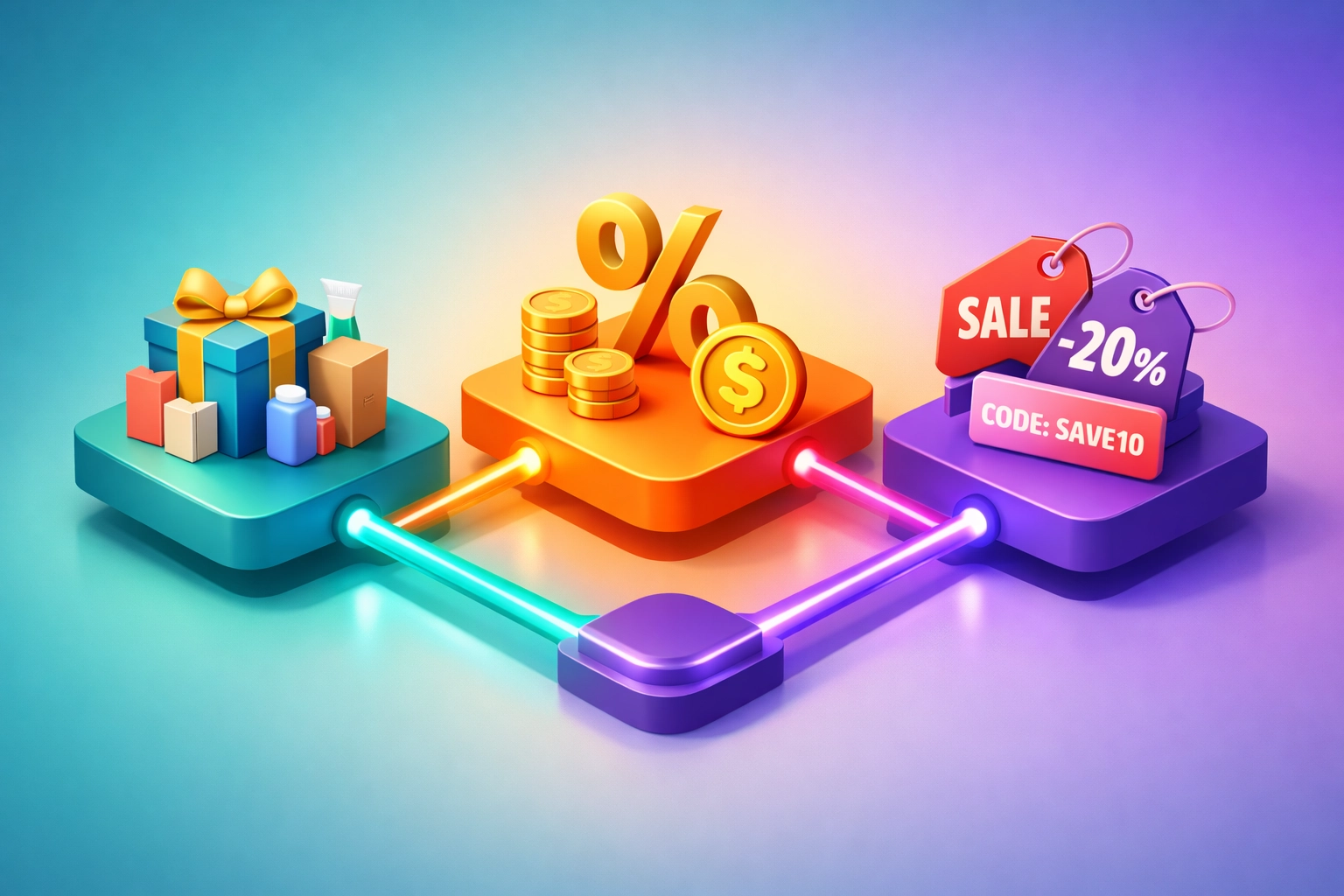
1. Product Gifting
Send your product for free in exchange for an honest review or post. This works especially well for physical products, subscription boxes, or digital courses. The influencer gets value, you get exposure, and nobody writes a check.
2. Affiliate Commissions
Give influencers a unique tracking link or discount code and pay them a percentage (typically 10-30%) of every sale they generate. This is RISK-FREE for you: you only pay when they deliver results.
3. Unique Discount Codes
Assign each influencer a custom discount code (like "SARAH15" for 15% off). This incentivizes their audience to buy while giving you clear tracking data on which partnerships are actually converting.
Pro tip: You can stack these models. Start with product gifting to build the relationship, then transition to affiliate commissions once you see results.
Copy-and-Paste AI Prompts for Influencer Outreach & Collaboration
This is where the magic happens. Instead of spending hours crafting personalized outreach emails or collaboration agreements, you can use AI to do the heavy lifting. Just copy, paste, and customize these prompts in ChatGPT, Claude, or any AI tool.
Prompt 1: Personalized Influencer Outreach Email
You are a small business owner reaching out to a micro-influencer for a potential partnership. Write a friendly, professional outreach email that:
- Compliments their specific content (mention a recent post or video)
- Explains why your brand aligns with their values
- Proposes a collaboration (product gifting, affiliate partnership, or paid post)
- Keeps the tone casual and authentic
- Includes a clear call to action

Business name: [Your Business Name]
Product/Service: [What You Sell]
Influencer's name: [Influencer Name]
Influencer's niche: [Their Niche]
Recent post you loved: [Describe It]
Collaboration type: [Gifting/Affiliate/Paid]
Prompt 2: Influencer Collaboration Agreement (Simple Contract)
Draft a simple, fair influencer collaboration agreement for a small business. Include:
- Scope of work (number of posts, stories, videos)
- Deliverables and deadlines
- Compensation (product value, affiliate rate, or flat fee)
- Content approval process
- Usage rights (can the business repost the content?)
- Disclosure requirements (FTC compliance)
- Termination clause

Keep it friendly and professional, not overly legal. Make it a 1-page agreement.

Business: [Your Business Name]
Influencer: [Influencer Name]
Compensation: [Details]
Deliverables: [Number of Posts, Platform, Deadlines]
Prompt 3: Campaign Performance Tracker
Create a simple spreadsheet structure to track influencer campaign performance. Include columns for:
- Influencer name
- Platform
- Follower count
- Engagement rate
- Content type (post, story, video)
- Unique discount code or affiliate link
- Clicks generated
- Conversions
- Revenue generated
- ROI calculation

Format this as a table I can copy into Google Sheets or Excel.
Prompt 4: Content Brief for Influencers
Write a clear, creative content brief for an influencer partnership. Include:
- Campaign goal (brand awareness, product launch, etc.)
- Key messaging points (what should they emphasize?)
- Hashtags to use
- Visual style preferences (bright, minimalist, lifestyle, etc.)
- Do's and Don'ts
- Examples of content we love
- Deadline and submission process

Keep it inspiring and collaborative, not restrictive.

Product: [Your Product]
Campaign Goal: [Awareness/Sales/Launch]
Key Message: [What You Want Communicated]
Platform: [Instagram/TikTok/YouTube]
These prompts will save you HOURS of work and ensure your outreach and agreements are professional, compliant, and effective. Want even more AI prompts for content creation, marketing, and sales? Head to SimonLeung.com and grab the full library: it's FREE and designed to make your life ridiculously easier.
Measuring Success: Track What Matters
If you're not tracking your influencer campaigns, you're flying blind. Here's what you need to measure:
Engagement Rate: Likes, comments, shares, and saves on influencer posts. This tells you if the content resonated.
Website Traffic: Use UTM parameters or unique links to track how many people visited your site from each influencer's content.
Conversions: How many of those visitors actually bought? Use discount codes or affiliate links to track this precisely.
ROI (Return on Investment): Divide your total revenue from the campaign by your total cost (product value + any fees). If you spent $200 and made $1,000, that's a 5x ROI.
Set SMART goals from the start: "Increase Instagram followers by 20% in 30 days" or "Generate 50 sales through influencer partnerships this quarter." Clear goals keep you focused and make it easy to evaluate what's working.

Your Next Steps: Take Action Today
Here's what to do RIGHT NOW:
- Choose one platform (Instagram, TikTok, or YouTube) and spend 30 minutes searching for 5-10 micro-influencers in your niche.
- Use the AI prompts above to draft your first outreach email: personalize it and hit send.
- Start with product gifting for your first 1-2 partnerships to test the waters without financial risk.
- Track everything. Set up a simple spreadsheet to monitor engagement, traffic, and conversions.
And if you want to accelerate your results with proven strategies, templates, and insider tactics, don't forget to visit SimonLeung.com for your FREE bonuses: including advanced AI prompts, marketing blueprints, and access to The Internet Insiders Club community.
Influencer marketing isn't some unattainable strategy reserved for big brands. It's YOUR secret weapon for authentic, scalable growth. STOP overthinking it and START building those partnerships today. Your ideal customers are waiting.